Technique Is Not Optional: Why Fundamentals Must Come Before Repertoire
In music education, we often claim to value excellence while structuring our programs in ways that quietly undermine it. We celebrate performances, post concert clips, and chase repertoire that sounds impressive quickly. Yet beneath the surface, many programs are built on fragile foundations—students advancing through literature without the technical control required to truly own it.
Technique is not an add-on. It is not a warm-up filler, a once-a-week focus, or something reserved for the most motivated students. Technique is the curriculum. And when fundamentals are treated as optional, everything built on top of them eventually collapses.
The Repertoire Trap
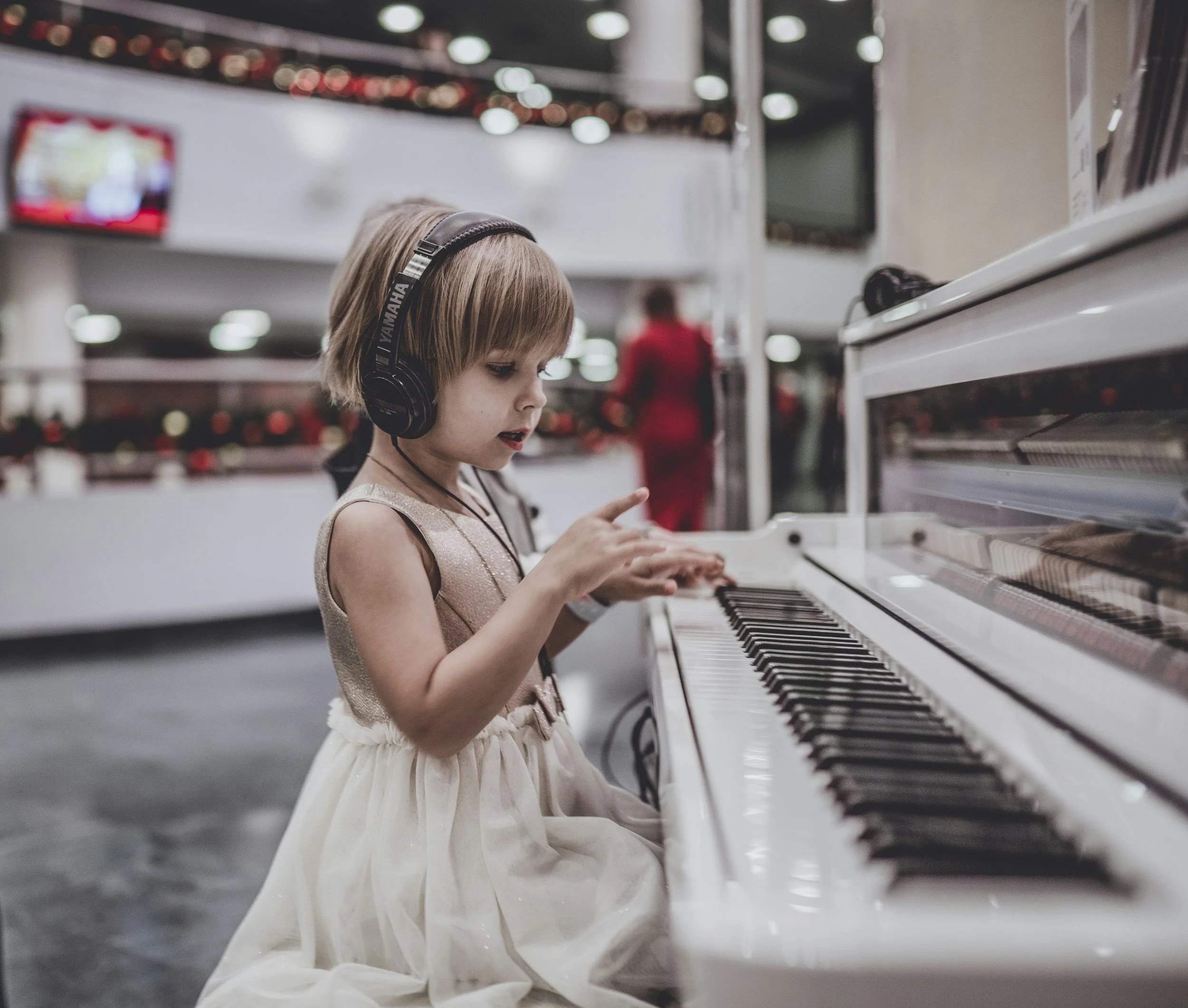
Repertoire is seductive. A polished piece can mask weak tone, inconsistent time, undeveloped articulation, and inefficient physical habits. From the podium, it can feel like progress: notes are mostly right, rhythms are close, and the audience applauds.
But repertoire-driven teaching often creates an illusion of learning rather than actual skill acquisition. Students learn pieces, not how to play. When the music changes, the problems remain—sometimes magnified. What looks like forward motion is often just familiarity.
Technique-first instruction flips that model. Instead of asking, “What piece are we playing next?” the better question becomes, “What skills must students master to be successful—on any piece?”
Fundamentals Create Transfer
The purpose of technique is transfer. Strong fundamentals allow students to approach new music with confidence rather than fear. When tone production is consistent, rhythm is internalized, and physical habits are efficient, repertoire becomes a vehicle for expression—not survival.
This is why professional musicians obsess over basics. Scales, long tones, articulation studies, rhythmic drills—these are not beginner exercises. They are lifelong maintenance tools. Professionals understand that artistry is built on reliability, and reliability is built on technique.
Students deserve the same respect.
The Cost of Skipping Steps
When fundamentals are rushed or ignored, the bill always comes due. It shows up as:
Chronic intonation problems that never fully resolve
Inconsistent ensemble pulse that can’t be “conducted away"
Physical tension that limits range, endurance, and tone
Students plateauing earlier than they should
Too often, these issues are blamed on motivation, attention spans, or generational differences. In reality, they are instructional gaps. Technique was never solidified, so performance ceilings arrive sooner and harder.
Technique Is a Leadership Decision
Choosing to prioritize fundamentals is not a pedagogical accident—it is a leadership stance. It requires patience, clarity, and the willingness to delay short-term gratification for long-term growth.
Technique-first programs may not always sound flashy in September. But by spring, they are stable, flexible, and resilient. More importantly, students begin to trust the process. They feel improvement rather than just being told they are improving.

That trust is the foundation of strong programs.
What This Means in Practice
A technique-first philosophy doesn’t mean eliminating repertoire. It means reframing it. Music becomes the application of skills, not the primary method of teaching them.
It means:
Warm-ups designed with specific technical outcomes
Daily listening and tone modeling
Clear, consistent language across grade levels
Assessment that measures skill, not just concert readiness
When technique leads, repertoire follows—and it follows well.
Raising the Floor, Not Just the Ceiling
The greatest benefit of technique-first instruction is not elite outcomes for a few students. It is raising the minimum level of competence for everyone. Students without private lessons, musical families, or prior exposure gain access to real musicianship.
Technique is not elitist. It is equitable.
If we want music programs that last, transfer, and matter beyond the concert cycle, fundamentals must come first—not occasionally, not theoretically, but structurally.
Technique is not optional. It is the work.