The Hidden Cost of Underprepared Music Educators: Why We Must Lead, Perform, and Teach with Depth
Music education is about far more than lesson plans, rehearsals, and performances. At its core, it’s about shaping minds, cultivating creativity, and guiding students through the transformative power of music. Yet, the profession is often held back—not by a lack of passion, but by educators themselves who have not fully developed as leaders, performers, and theorists.
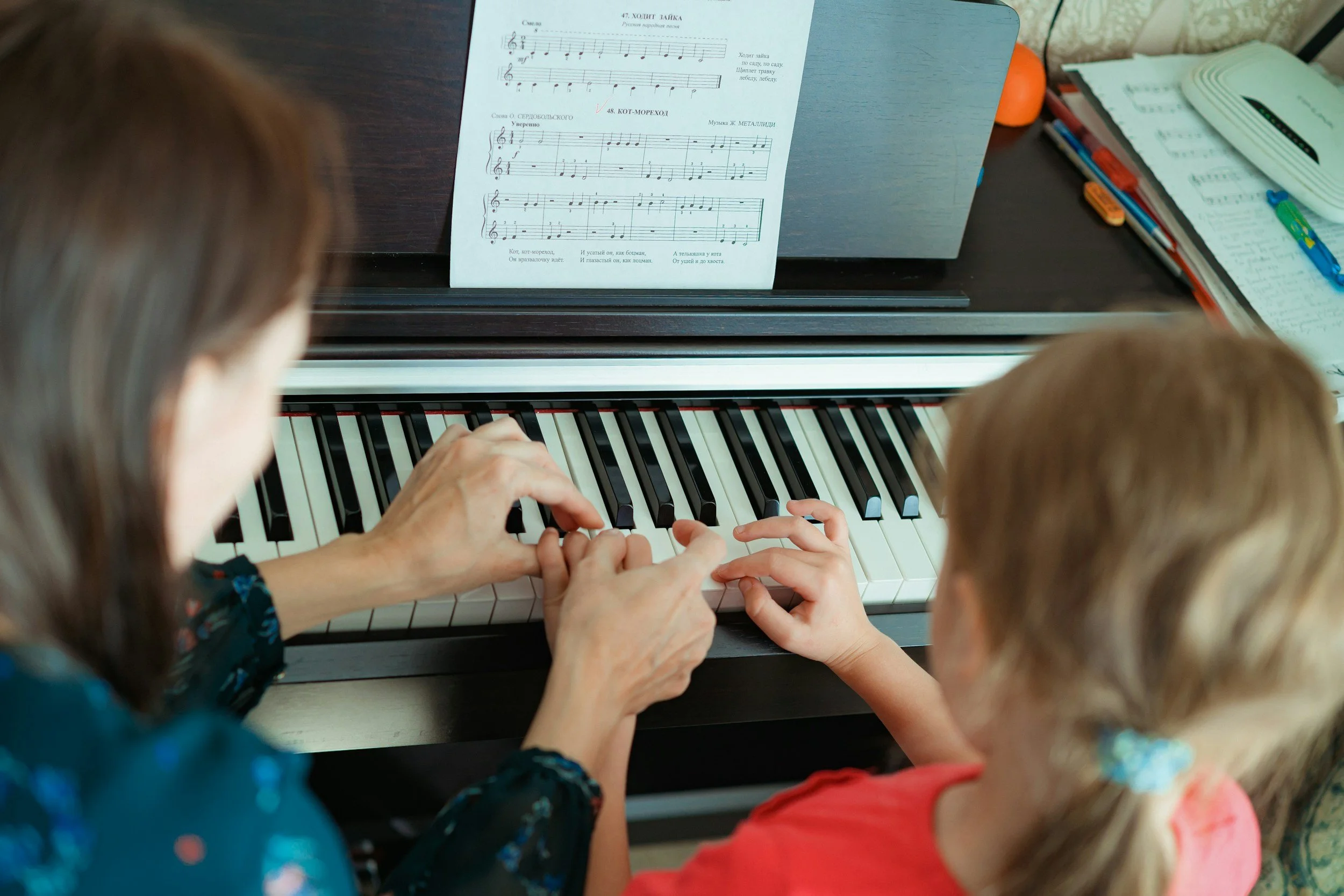
It’s uncomfortable but true: music teachers who are not confident leaders, well-versed musicians, or grounded in music theory ultimately do a disservice to the very students they aim to inspire. Leadership in a music classroom is not just about giving instructions; it’s about cultivating an environment where students feel challenged, supported, and encouraged to take risks. Without this confidence, even the most talented students may never reach their potential.
Consider the music teacher who knows how to play an instrument but has never studied advanced music theory or engaged deeply with performance practice. In rehearsals, they might be unsure when a student asks for clarification about a harmonic progression or a rhythmic nuance. Instead of exploring the question with curiosity, the teacher might give a vague answer or bypass it entirely. The message students receive is subtle but powerful: it’s okay to skim the surface, to avoid digging deeper. Over time, this undermines students’ confidence and their understanding of music as a complex, living art.
Similarly, teachers who lack leadership skills or classroom management confidence often struggle to inspire excellence. A band director who hesitates to set high expectations may find that students perform “well enough,” but never push past comfort zones. A choir teacher who cannot assertively guide the ensemble through challenging repertoire risks producing a technically inconsistent and uninspired sound. In both cases, students’ musical growth is directly limited by the teacher’s own limitations.
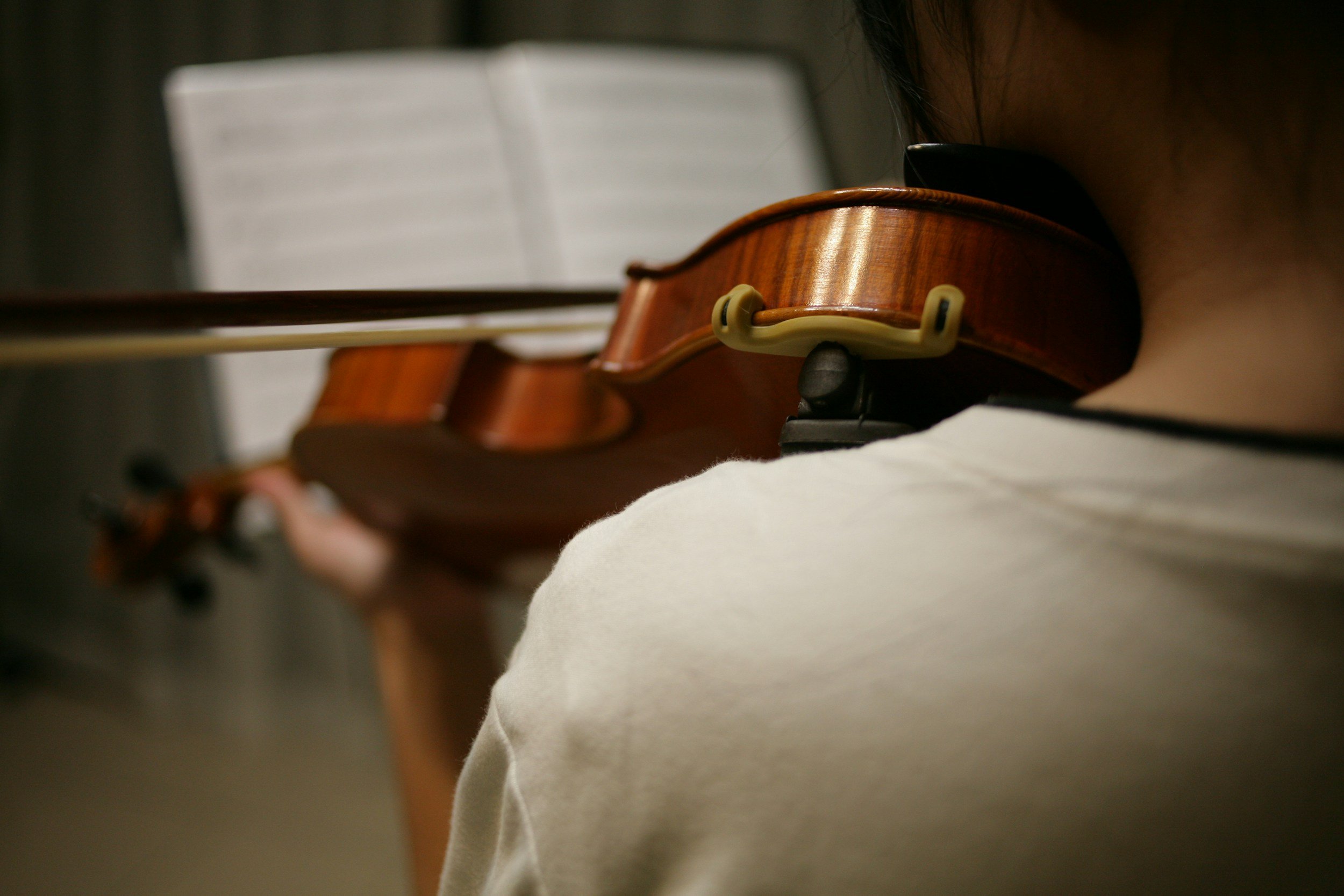
The remedy is both simple and demanding: before we can effectively guide our students, we must invest in our own development. This means rigorous study, consistent performance, and honest reflection on our teaching practices. A music educator should not only know how to perform their instrument at a high level, but also understand why the music works—the theory, the history, the context—and be able to communicate that understanding clearly.
For example:
A piano teacher who regularly performs and studies masterworks themselves can model phrasing, tone, and interpretive choices in ways that textbooks alone cannot.
A band director who continues to study advanced instrumentation, arranging, and conducting techniques can address complex ensemble challenges with authority and clarity.
A voice teacher who actively practices vocal technique and studies pedagogy can better diagnose issues in student technique and prevent long-term vocal damage.
Beyond skill, teachers must also embrace the role of coach and mentor. Effective music educators recognize that teaching is a two-way street: students teach us just as much as we teach them. By engaging deeply with music ourselves, we can offer authentic guidance, inspiring students to pursue mastery with curiosity and commitment.

The stakes are high. Music teachers shape not only the technical skills of their students but also their confidence, creativity, and lifelong relationship with music. When we fail to cultivate our own expertise, we send a subtle but powerful message that mediocrity is acceptable. This compromises the integrity of the profession and limits the potential of every student in our care.
Music education cannot advance if we accept surface-level coaching as sufficient. Every rehearsal, every lesson, and every classroom interaction is an opportunity to demonstrate the depth of our craft. By elevating ourselves, we elevate our students—and the art form we serve.
Teaching music is not just a job; it is a vocation demanding excellence, courage, and continual growth. The future of music education depends on teachers who are willing to step fully into their roles as leaders, performers, and scholars. Anything less is a disservice to the next generation of musicians—and to the legacy of music itself.